

Advancing formalization and decent work for domestic and waste management workers in Nepal’s informal economy
KATHMANDU (ILO News) – For workers in Nepal’s informal economy, the transition to formality means greater recognition, stronger rights and representation, access to social protection, and safer and more decent working conditions.
These priorities guided the ILO’s Promoting Rights and Social Inclusion through Organization and Formalization (PRS) – Phase 2 project, whose Nepal component concluded with a workshop in Lalitpur on 13 October 2026. Participants reviewed results and lessons and discussed how successful approaches and partnerships could be sustained and scaled beyond the project.
Funded by the Government of Japan, the project was implemented from 2023 to 2026 in India, Nepal and Pakistan. In Nepal, the project worked with government, employers’ and workers’ organizations and other partners to advance formalization, social protection, workers’ representation, social inclusion and gender equality.
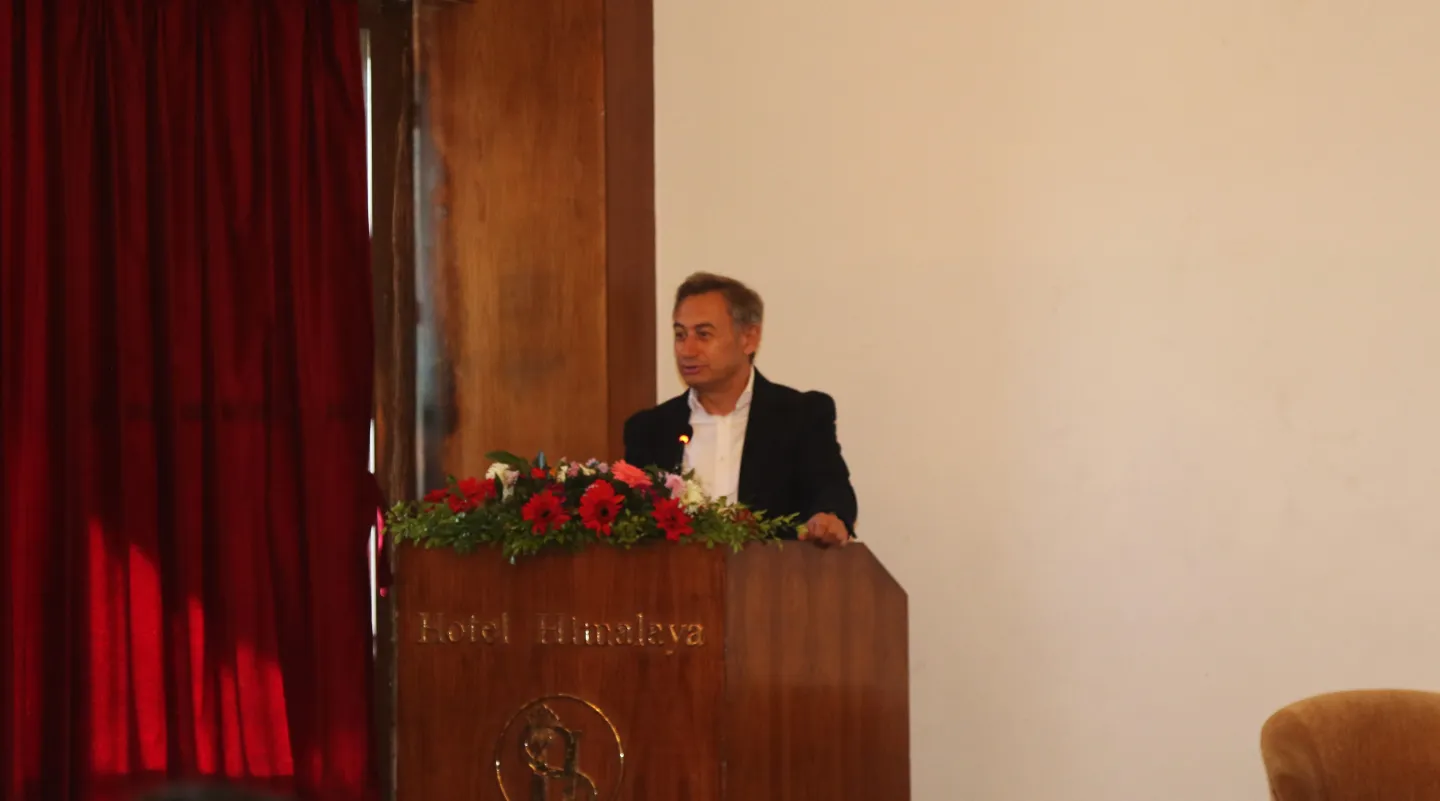
© Nistha Rayamajhi/ILO
Speaking at the event, Numan Özcan, Director of the ILO Country Office for Nepal, said: “The real test of our work is not only the policies we develop or the discussions we hold. It is whether a worker who previously had no protection now has greater security, whether someone working in hazardous conditions can now work more safely, and whether work that has long been overlooked is increasingly recognized and respected. A project has an end date. Our shared responsibility to advance workers’ rights, dignity and protection does not.”
From informality towards decent work
In partnership with the Solid Waste Management Association of Nepal (SWMAN), the project promoted more formal, safe and gender-inclusive employment in the waste management sector through stronger policies, workplace practices and social dialogue among government and employers’ and workers’ organizations.
The project contributed to:
Connecting formalization with a just transition
The workshop which marked the closure of the project in Nepal explored how formalization and decent work can support Nepal’s transition towards greener and more sustainable development. Government, Kathmandu Metropolitan City, SWMAN, workers’ organizations and development partners discussed ways to improve working conditions and ensure sustainable waste management creates decent work opportunities.
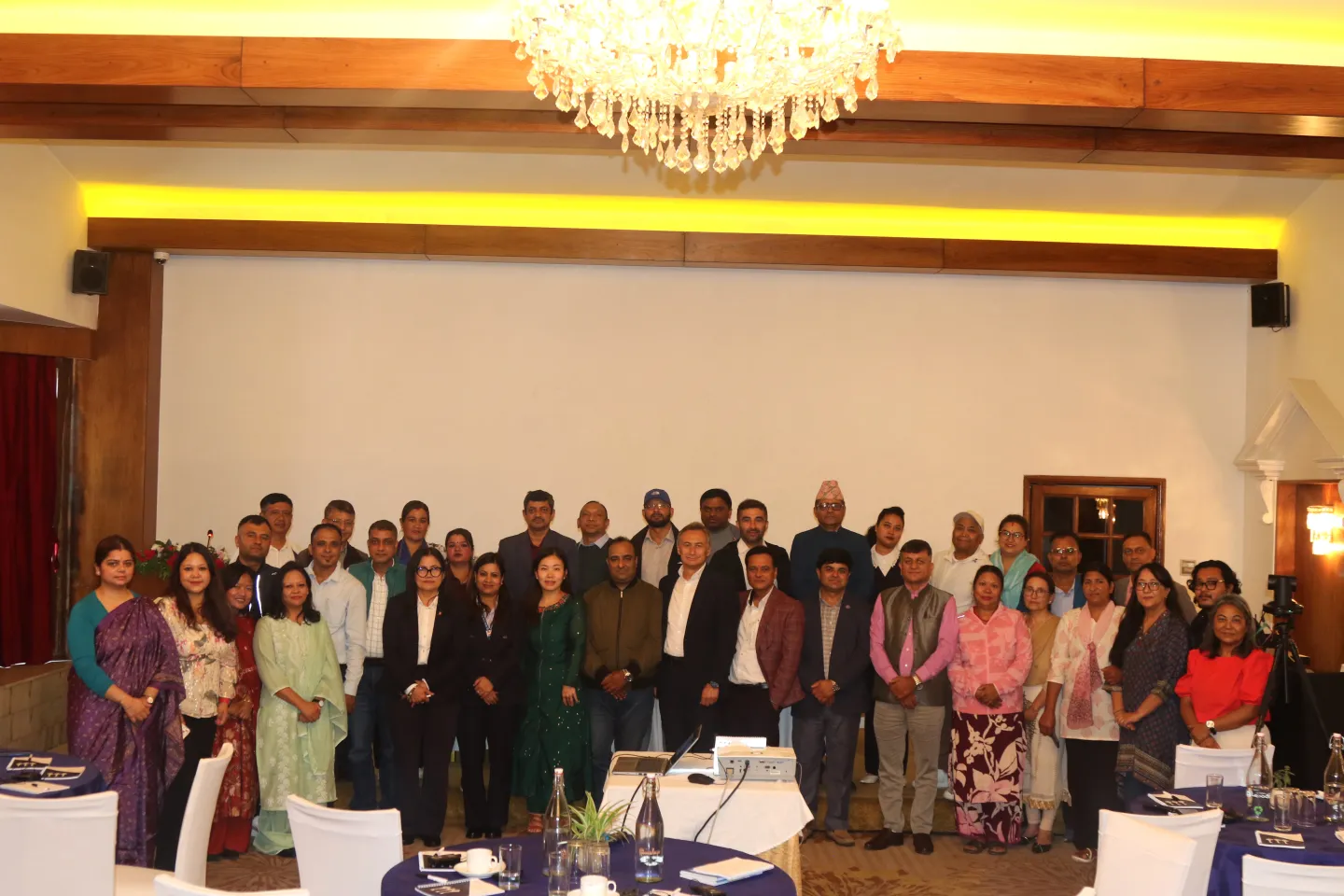
The event also featured the ILO’s Policy Guidelines for the Promotion of Decent Work in Recycling, presented by Casper Edmonds, Head of the Manufacturing, Mining and Energy Unit at ILO headquarters. Discussions highlighted their relevance to Nepal’s evolving waste management and recycling sector and their potential to inform future policy and industry action.
As PRS Phase 2 concludes, participants emphasized the importance of sustaining partnerships and building on its lessons to advance formalization, social protection, workers’ representation and decent work in Nepal.
For more information, please contact:
Nistha Rayamajhi
Legal Disclaimer:
EIN Presswire provides this news content "as is" without warranty of any kind. We do not accept any responsibility or liability for the accuracy, content, images, videos, licenses, completeness, legality, or reliability of the information contained in this article. If you have any complaints or copyright issues related to this article, kindly contact the author above.
