

Top Orlando Remodeler Releases: How Remodels Quietly Go Over Budget and How to Stop It Early
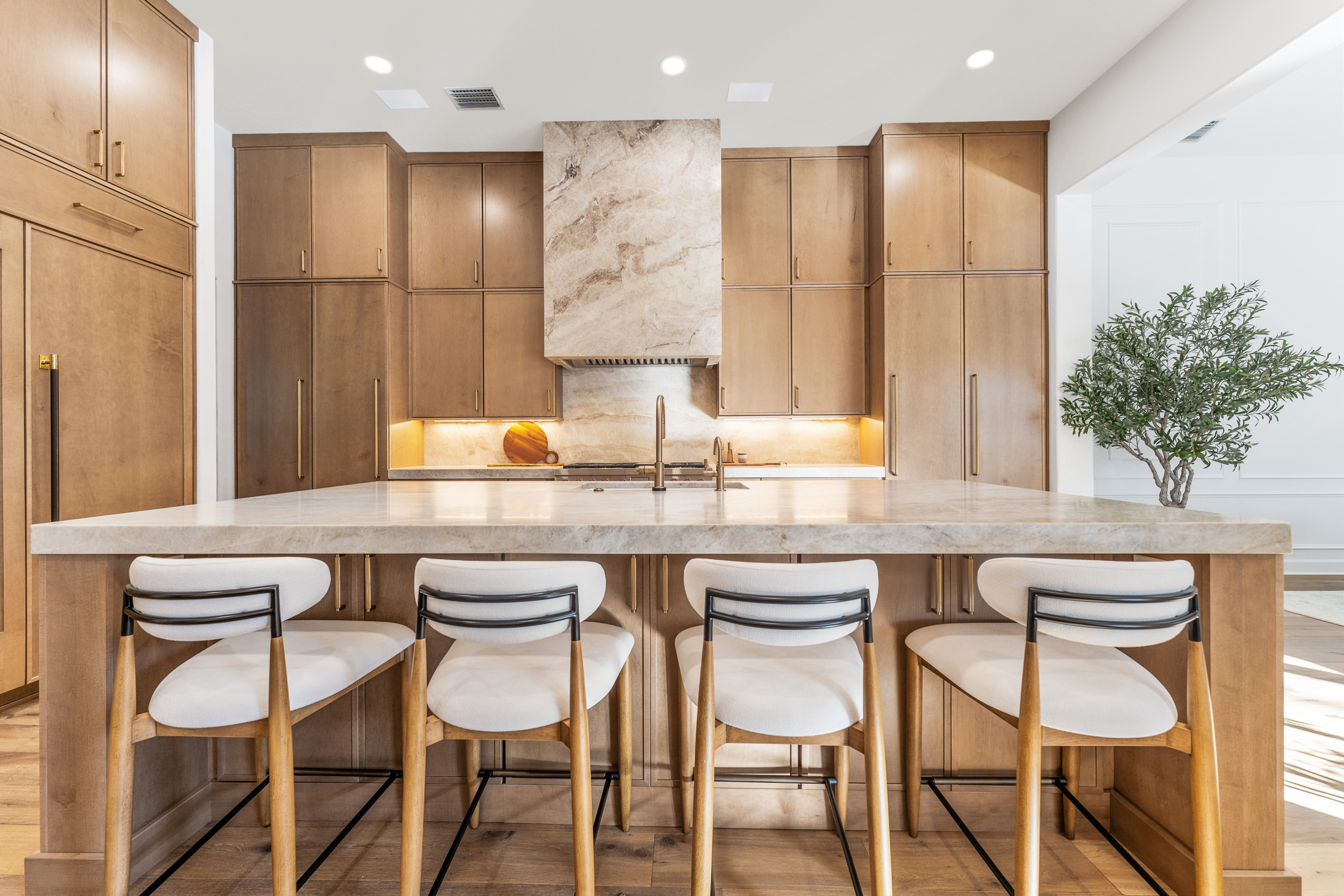
Revive Design and Renovation Kitchen
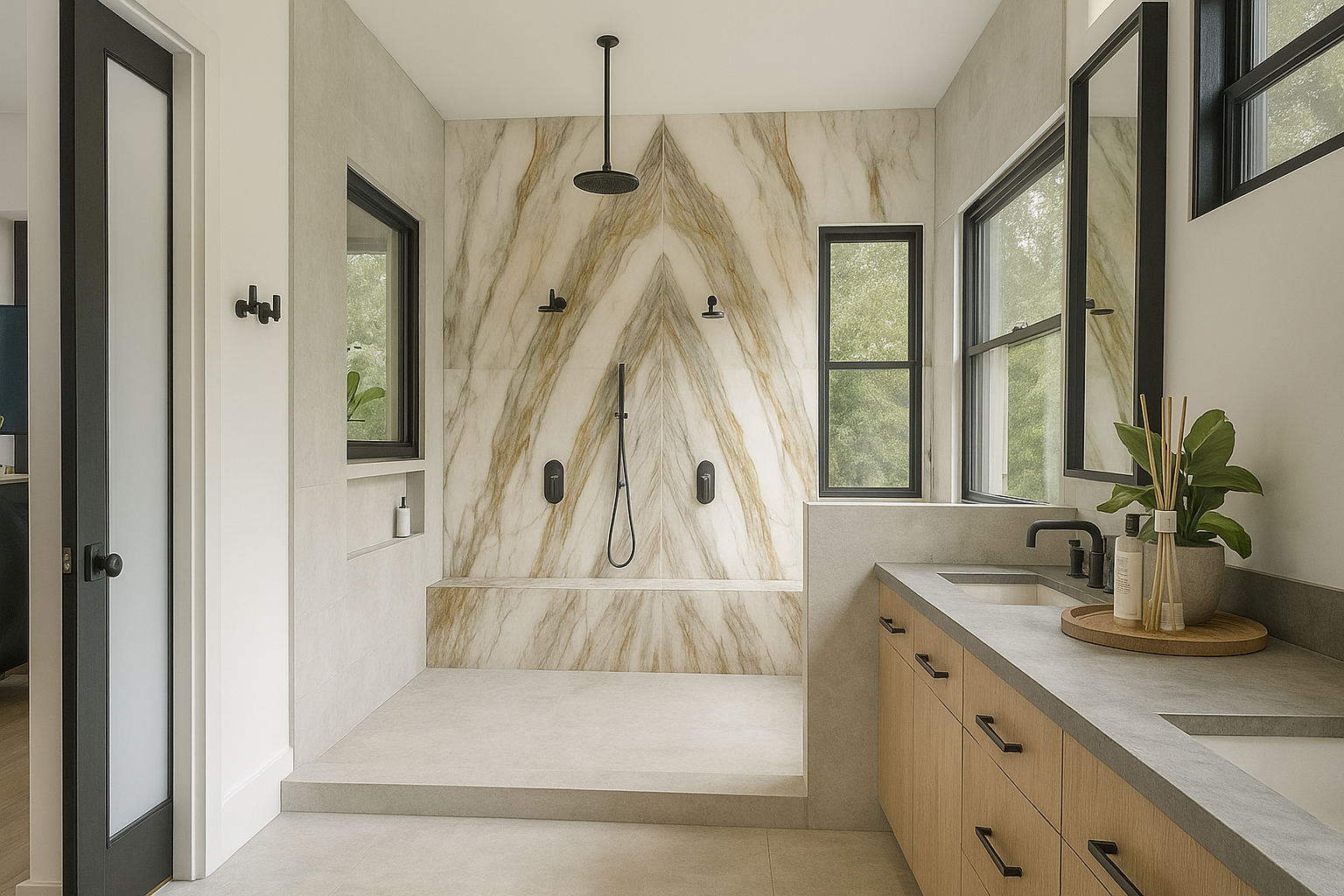
Revive Design and Renovation bathroom

What causes budget creep in home remodeling and how Tampa and Orlando homeowners can prevent renovation costs from quietly exceeding the original budget.
ORLANDO, FL, UNITED STATES, April 27, 2026 /EINPresswire.com/ -- Few homeowners begin a renovation expecting to exceed their budget. Yet many remodeling projects experience what professionals call budget creep. Instead of one dramatic expense, the total cost gradually rises through a series of small decisions, upgrades, and overlooked details.Because these changes often feel minor in the moment, homeowners may not realize how much the budget has shifted until late in the project. Understanding how budget creep happens is one of the most important steps in preventing it.
What Is Budget Creep?
Budget creep is the gradual expansion of a remodeling project’s cost beyond the original estimate. Unlike a sudden emergency repair, it usually happens through incremental changes. A slightly upgraded fixture. A new lighting feature added mid-project. A tile selection that costs more than the original allowance. Individually, these decisions may seem reasonable. Over time, they accumulate and quietly push the project beyond its original budget.
"Homeowners are often surprised by how quickly small design changes and upgrades add up during construction," said Rachel Simpson, Senior Designer at Revive Design and Renovation.
The Most Common Causes of Budget Creep:
1. Incomplete Planning and Vague Project Scopes
One of the most common causes of budget creep is limited planning before construction begins. When project scopes are vague, contractors must rely on assumptions or allowances for items that have not been fully defined. Broad line items such as “plumbing as needed” or “tile allowance” may hide significant cost differences depending on the final selections. Once demolition begins and those details are finalized, the true costs become clearer. In older homes around Tampa, Orlando, and surrounding communities, demolition can also reveal hidden issues such as outdated wiring, plumbing problems, or subfloor damage. These conditions are common in renovation projects and can introduce unexpected repair costs if they were not anticipated during planning.
2. Design Changes During Construction
Design changes after construction begins are one of the fastest ways to increase project costs. Altering a layout, upgrading materials, or adding features once work is underway often requires rework, schedule adjustments, and new material orders. Even changes that seem small can create ripple effects. For example, switching tile styles may affect installation patterns, material quantities, and delivery timelines. Adding recessed lighting may require additional wiring, drywall repair, and repainting. In remodeling, every change affects both materials and labor.
3. Unrealistic Initial Budgets
Another driver of budget creep is starting with a budget that does not fully reflect the complexity of the project. Homeowners often underestimate labor costs, material pricing, and the coordination required for a full renovation. At the same time, some estimates may appear lower because they rely on minimal allowances or simplified scopes. When the real selections and construction requirements become clear, the project cost naturally adjusts. For this reason, many remodeling professionals recommend planning a contingency fund of about 10 to 15 percent of the total budget to handle unexpected conditions without disrupting the project.
4. Material Selection Drift
Material upgrades are one of the most subtle contributors to budget creep. A higher end faucet. A more premium tile. A countertop slab that slightly exceeds the allowance. Each decision may only add a few hundred dollars, but multiple upgrades across an entire kitchen or bathroom can add thousands to the overall budget. Delaying material selections can also create schedule pressure. When products are chosen late, contractors may face longer lead times, expedited shipping costs, or limited inventory options.
5. Communication Breakdowns
Budget creep can also occur when communication between homeowners, designers, and contractors is unclear. When responsibilities are divided between multiple parties, small details can fall through the cracks. This may lead to redesigns, scheduling conflicts, or work that must be completed twice. Clear communication and coordinated planning help reduce these risks.
Budget creep rarely appears as a single large decision. Instead, it often looks like a series of small approvals:
“It’s only a few hundred more for that fixture.”
“Let’s add another outlet while the wall is open.”
“Upgrading the backsplash tile won’t change much.”
Individually, these decisions feel minor. Together, they can push a project significantly beyond the original budget. Many homeowners only recognize the full impact near the end of construction, when all the upgrades and adjustments are added together. At that point, reducing costs can be difficult because most major decisions have already been implemented.
How to Stop Budget Creep Before It Starts:
1. Finalize the Design Before Construction
One of the most effective ways to control costs is completing the design phase before demolition begins. This includes confirming the layout, appliance selections, cabinetry design, lighting plan, plumbing locations, and finish materials. Planning tools such as renderings and detailed specification lists can help homeowners feel confident committing to these decisions early.
2. Request Detailed Scopes of Work
Clear project documentation reduces confusion. Every major element of the renovation should be outlined in the proposal, including demolition, framing, electrical work, plumbing, cabinetry, finishes, and installation details. The fewer assumptions in a contract, the fewer surprises homeowners will encounter later.
3. Use Realistic Allowances
If allowances are necessary, they should reflect realistic price ranges for the finishes being considered. Understanding what each allowance actually covers helps homeowners avoid unexpected upgrades later in the project.
4. Build a Contingency Fund
Even the most carefully planned renovation can uncover hidden conditions. Setting aside a contingency fund of 10 to 15 percent provides flexibility when those situations arise and prevents sudden financial stress.
5. Limit Mid-Project Changes
Once construction begins, design changes should be approached carefully. Each change affects labor schedules, material orders, and installation timelines. Establishing firm decision deadlines and reviewing the design thoroughly before demolition helps prevent costly revisions.
6. Maintain Clear Communication
Regular progress updates, clear documentation, and open communication between the homeowner and project team help identify potential budget changes early. When cost impacts are visible in real time, homeowners can make informed decisions before overruns grow larger. Budget creep rarely happens because someone made a single major mistake. More often, it develops gradually through small upgrades, design revisions, and delayed decisions. With thorough planning, realistic budgets, and clear communication, homeowners can maintain control of both their design vision and their finances.
"At Revive Design and Renovation, our mission is Life Improvement through Home Improvement," said Justin Caballero, President at Revive Design and Renovation. "That philosophy starts with thoughtful planning and transparent communication so homeowners understand their project before construction begins."
About Revive Design and Renovation
Revive Design and Renovation is a family-owned remodeling company serving the Tampa and Orlando areas. Known for trusted craftsmanship and exceptional client care, Revive combines over 200 years of industry experience with a commitment to stress-free, detail-oriented remodeling. Revive is also challenging industry norms by being upfront about timelines, and potential challenges, while backing its work with customer reviews, white glove service and a five-year full craftsmanship warranty. The company’s mission “Life Improvement through Home Improvement” extends beyond the finished design, ensuring homeowners feel confident throughout the remodeling process and with the final result. Recognized for its rapid growth and excellence, Revive made the 2025 Inc. 5000 list of America’s fastest-growing private businesses and the Tampa Bay Business Journal’s Fast 50. The company also earned a spot on Qualified Remodeler’s 2025 Top 500 List, highlighting its leadership in interior design, kitchen, and bath remodeling.
For more information visit: https://www.revivedesignandrenovation.com/
Justin Caballero
Revive Design and Renovation
email us here
Legal Disclaimer:
EIN Presswire provides this news content "as is" without warranty of any kind. We do not accept any responsibility or liability for the accuracy, content, images, videos, licenses, completeness, legality, or reliability of the information contained in this article. If you have any complaints or copyright issues related to this article, kindly contact the author above.
